


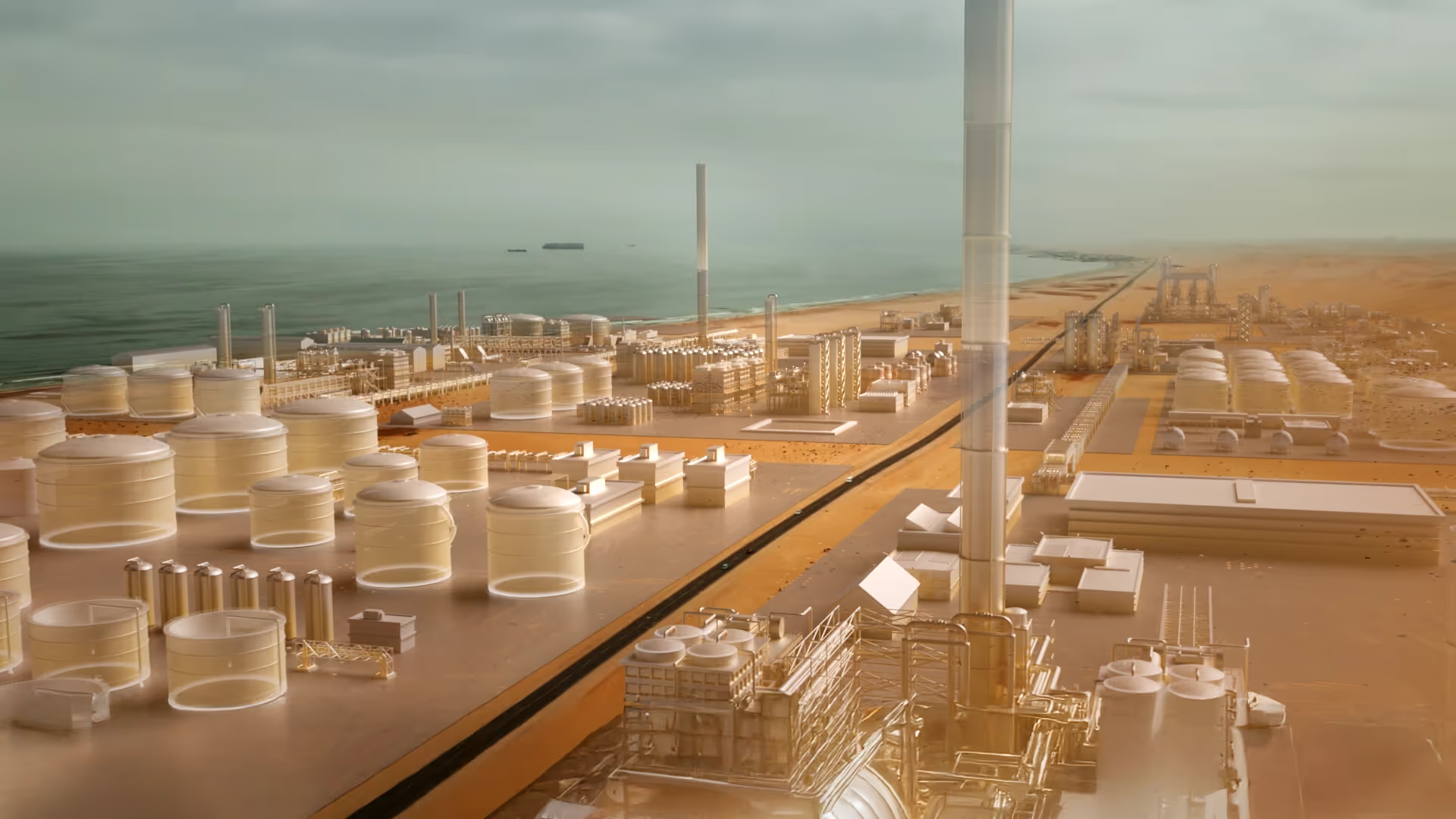


Technical animation production
From the outside, your machine is a cabinet. Everything that makes it worthwhile happens inside.


More detail doesn't make a technical animation better
The CAD model is already right. That is never the problem.
The problem is that a viewer has to grasp what is happening within ten seconds, and that only works if you remove three quarters of what there is to see. A complete model with eight hundred parts shows eight hundred things that all seem equally important. Nothing stands out, so nothing sticks.
That is why we don't spend the first week animating but on one question: what does the viewer need to see, and what is getting in the way. For GF Waga the answer was one movement, the clamping and sealing system that engages when you tighten the bolts. For Kalpana Systems the answer lay at atomic level. The rest of the image is there to make that one movement stand out, not to prove completeness.
Leaving things out feels unnatural when you have worked on that model for years. But that is exactly where the difference lies between an animation that is correct and an animation that is understood.

Where technical animations get stuck in practice
In our experience, technical animation projects rarely go wrong on technology. They go wrong on two things that are related.
Everyone wants their part on screen. Engineering wants every detail shown, with explanation, while a working principle becomes clearer the less you show. Sales wants the three selling points in. Marketing wants the brand to be recognisable. Product wants to show the new module. Each request is reasonable on its own. Added together they produce an animation in which nothing stands out any more, and that is exactly the animation nobody remembers.
And nobody makes the call. That is the second half of the same problem. As long as nobody has agreed who can say "this goes", every request wins. Feedback rounds then become additions instead of choices, and the project overruns because every round adds something.
What we do about it: before the start we agree who has a say, for example marketing, sales and engineering, and which of them bundles the feedback. That group approves the storyboard together, and from that moment the storyboard is the agreement. If new requests come in after that, we take them back to the same group and ask what can go instead. And we explain our own choices: why something is in, and why something goes. That way every feedback round becomes a choice instead of a sum.
The storyboard is also the best moment to look at it critically. A change costs an afternoon at that stage. Changes after that lead to extra work: the same adjustment two weeks later can easily cost a week. Yet many clients only really start looking at the first render. We deliberately steer against that.


Is the value of your product on the inside?
Send us your question with whatever you have, even if that is just a CAD file and a story. You will hear from us within one working day, with a rough estimate or a proposal to sit down for half an hour. That conversation results in a well-founded scope, plus our proposal for what we would leave out.

Marketing and communication
If you work in marketing or communication, your question is usually how to make a product explainable for an audience that doesn't know the technology. Then we work towards a main animation, with separate clips and stills as an option, so you can fill a campaign with it instead of one post.
Sales and business development
If you work in sales or business development, it is about making the conversation shorter. Then we build the animation so that it already explains the basics, and you can go straight into depth in the conversation.
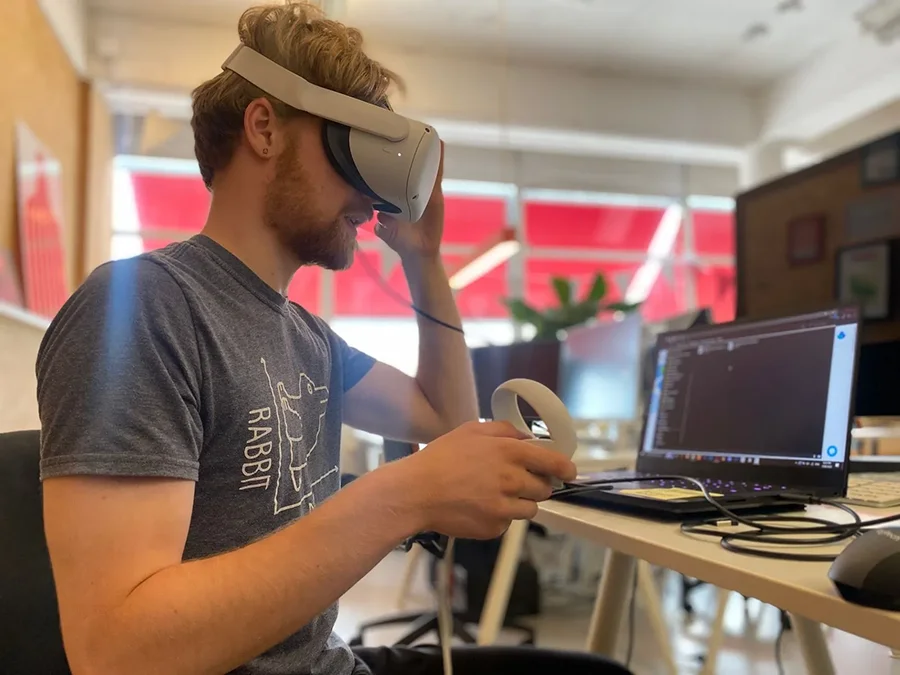
If you work in engineering or product, the concern is usually whether it is correct. Then we build a technical check into the process: you or a colleague approves the storyboard and the first movement before we continue. Founder Joris is an industrial design engineer himself. So we speak your engineers' language, and we know when a detail is essential and when it can go.
Three technical animations
we made
Bühler Group
TECHNICAL PRODUCT ANIMATIONS
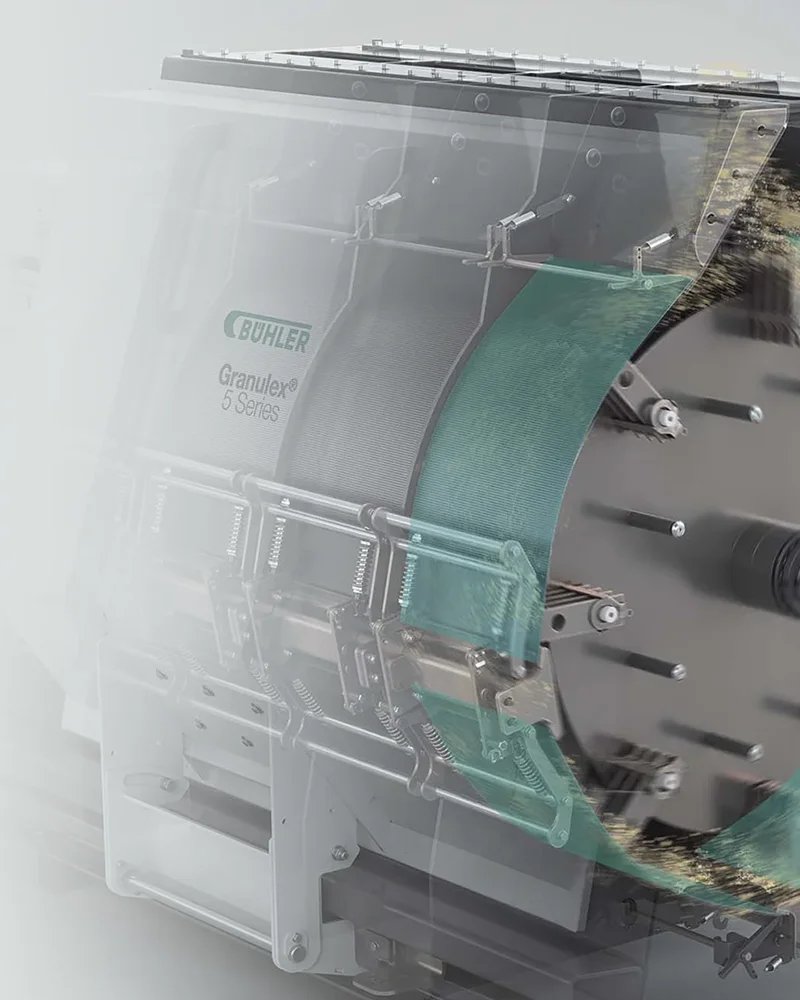
Bühler Group had two machines whose advantage is invisible. The Granulex 5 hammer mill and the Cenomic Optima bead mill sell themselves on what happens inside, and you can't photograph that. For both we made a full animation plus a set of CMYK stills, which Bühler uses in sales presentations, on social media and at product launches. It was the start of a longer collaboration.
GF Waga
TECHNICAL PRODUCT ANIMATION
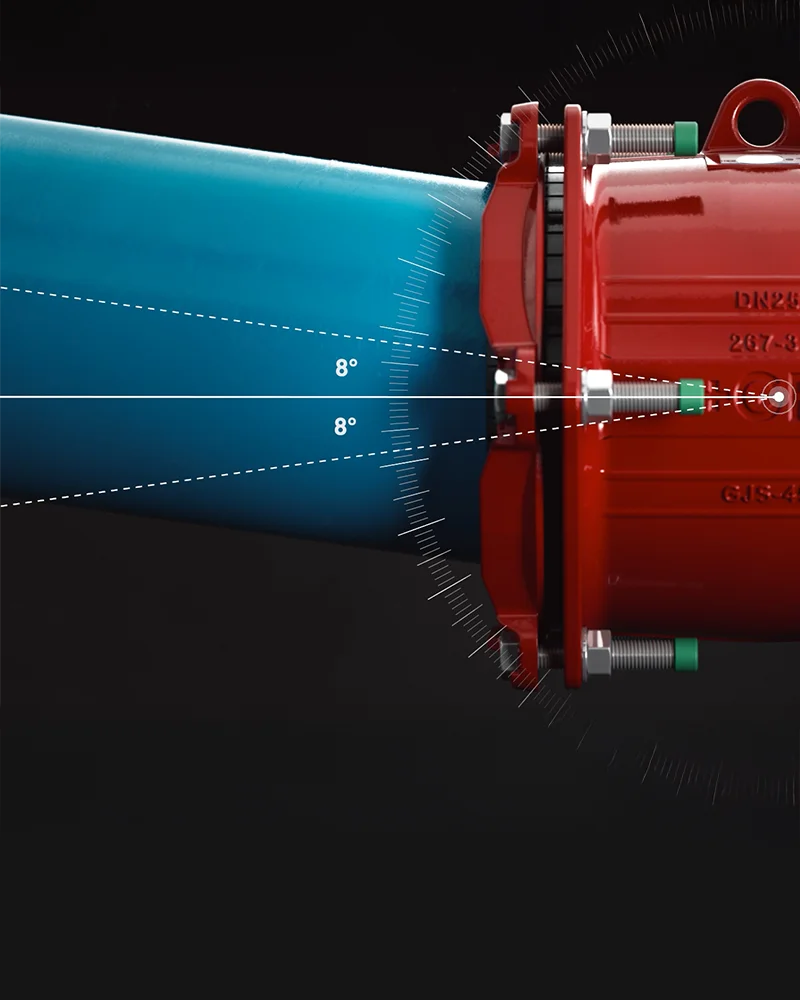
GF Waga sells a coupling that does its job at the moment you can no longer see it. The MULTI/JOINT 3000 Plus repairs gas and water pipes without extra tools; the clamping and sealing system engages when the bolts are tightened. We showed that with exploded views, cross-sections and detail shots, edited to music. We also delivered stills on a transparent background, for technical documentation and for marketing.
Kalpana Systems
3D ANIMATION & WEBSITE CONTENT
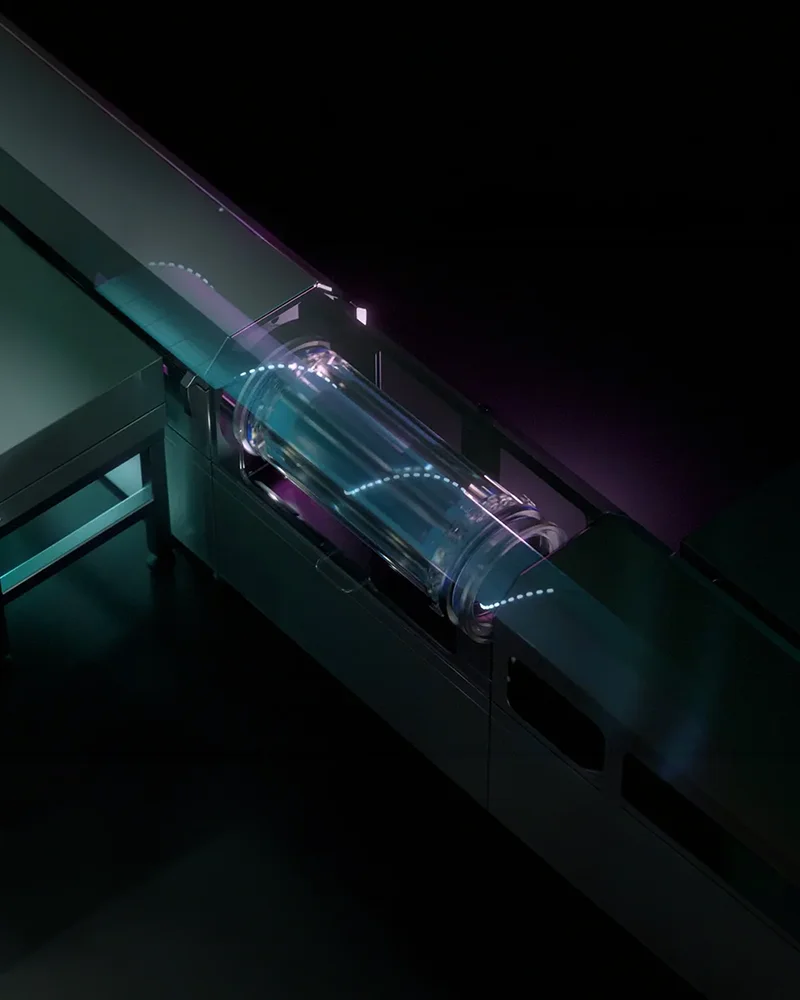
Kalpana Systems had to explain something that starts at atomic level. This high-tech start-up from Delft makes a thin-film machine that makes Atomic Layer Deposition commercially feasible for large, flexible surfaces, with applications in fast-charging batteries, rollable OLED screens and flexible solar panels. The animation takes the viewer from atomic level to the machine. We also delivered 4K stills and website content in their new brand identity.
Edorado
INTREKBAAR FOLIESYSTEEM
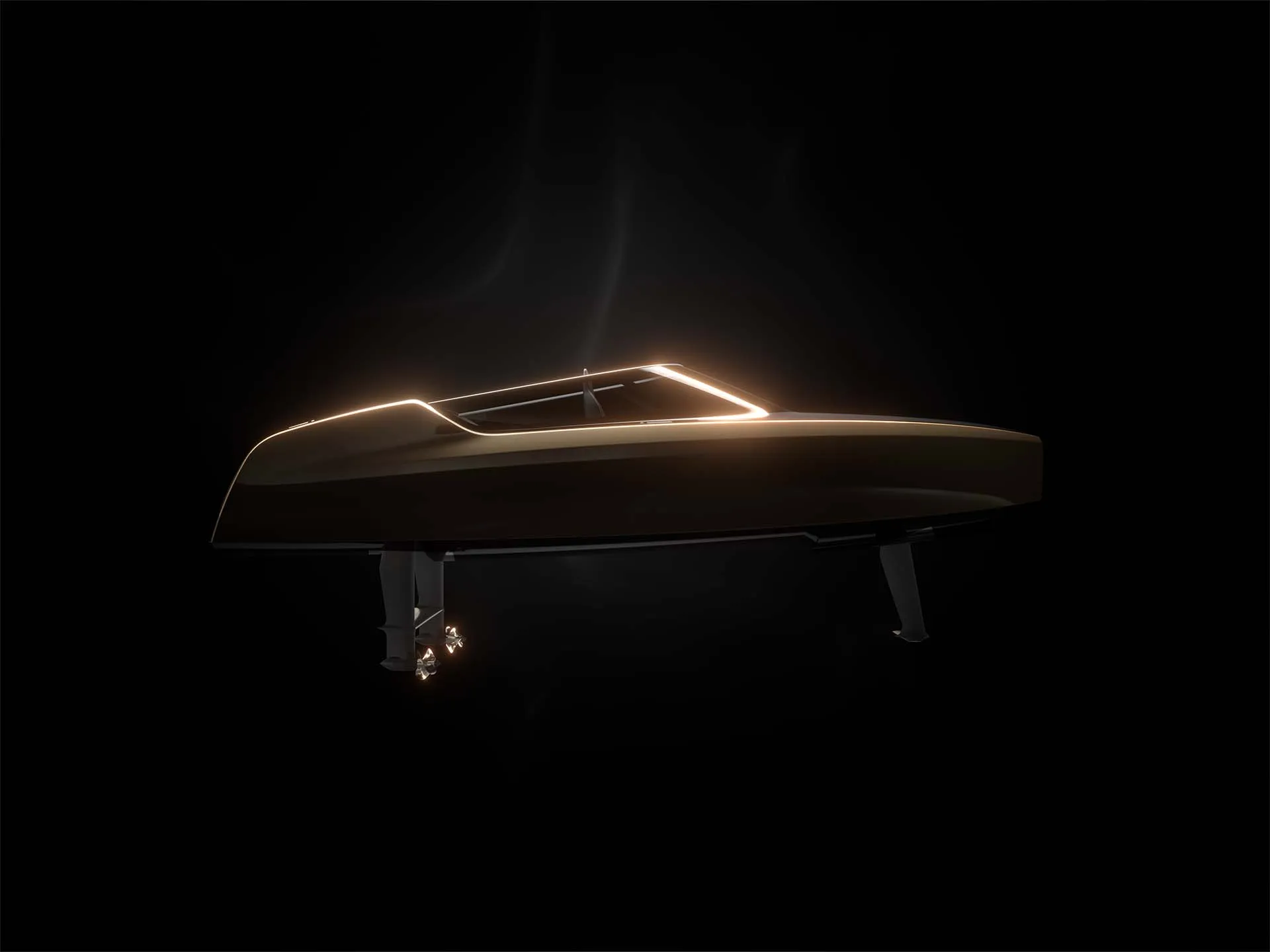
Edorado moest laten zien hoe een boot kan opstijgen als een vliegtuig. De Edorado 8S trekt zijn foliesysteem volledig terug in de romp: in de haven vaart hij als een gewone boot, in vliegmodus komt hij boven de golven. Dat mechanisme bestond nog alleen als prototype. Onze animaties bouwen de boot op vanuit de mechanische onderdelen, via het carbon naar de complete romp. Uit dezelfde productie kwamen loops, stills en context renders, ingezet bij een investeringsronde en bij de wereldwijde lancering op het Cannes Yachting Festival.
What clients say about
working with us and the results

"Your fantastic artwork helped make our vision understandable! This was extremely valuable in our development process and greatly contributed to securing multiple investment rounds."
Co-founder & CEO - Maeve Aerospace


“We always enjoy working with you! From start to finish, there's excellent communication, clear agreements, and high-quality production. You're constantly contributing ideas to achieve the best possible result, both creatively and technically."
Designer & Owner - PlusDrie

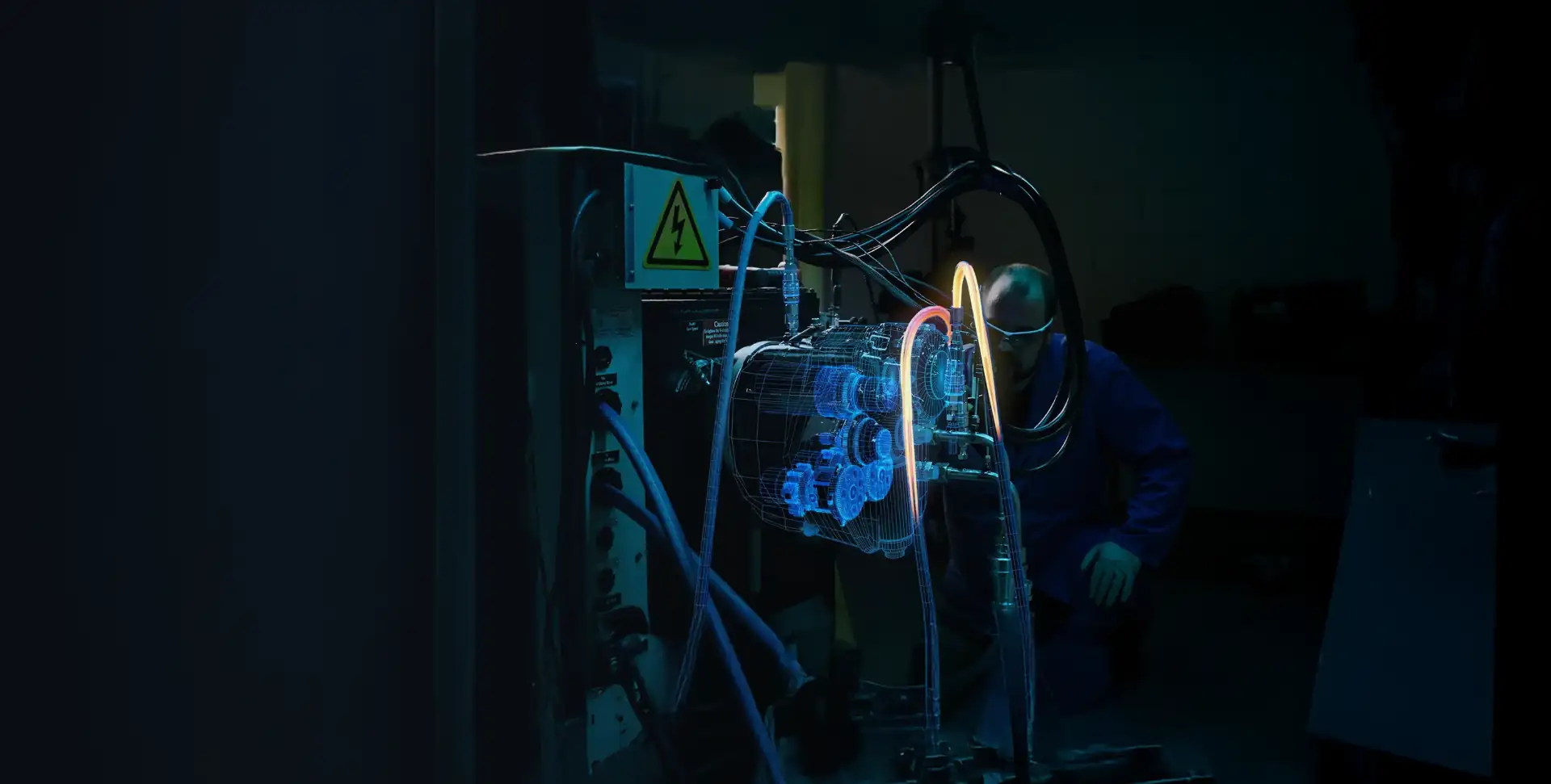
“By combining your animation skills with our audiovisual expertise, we'll elevate the creative concept to the next level. You'll also deliver the right assets and files on time, and we'll work together to meet the deadline!"
Owner & Creative Director - Blickfänger

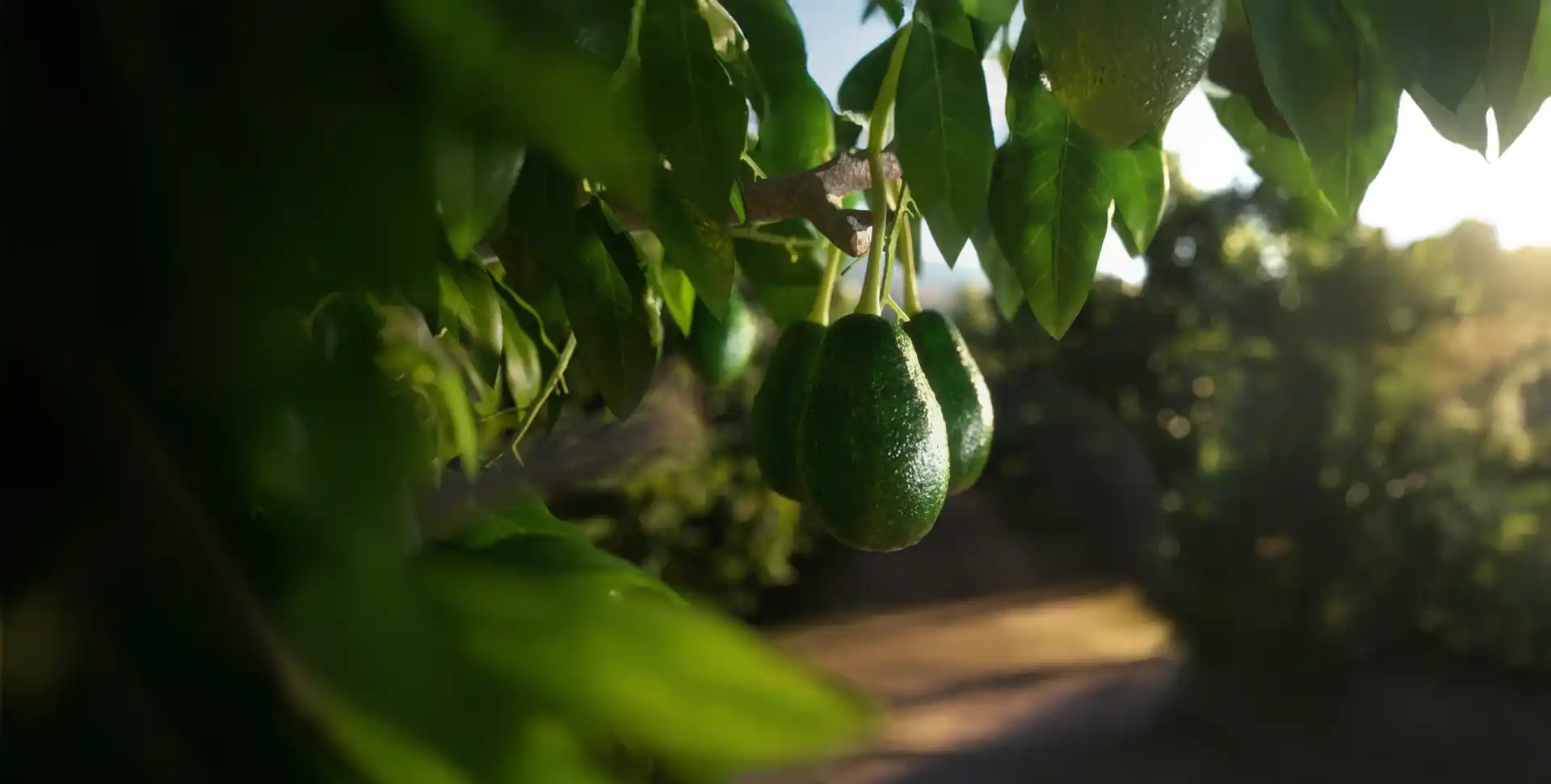
"Working with Studio Analoog was impressive! They are true experts in their field. The final product made a huge impact, which we were able to showcase to state officials and important customers."
Global Marketeer - Westfalia Fruit


What a technical animation costs
Our projects start from €10,000 excluding VAT. A technical animation of a minute and a half takes six to ten weeks with us, from briefing to delivery.
A defined animation of one machine or component: from €10,000, 6 to 10 weeks
Several machines or a product line, with separate clips and stills: €15,000 to €25,000, 8 to 12 weeks
Ongoing, new modules and updates to existing models: on request
What drives the price up: models that have to be built from scratch, multiple languages, and processes we first need to research. What brings it down per asset used: usable CAD material, clear agreements on who decides, and assets you reuse across several channels.
Most of the work in a technical animation happens before the film: the research, the concept and storyline, the design, and making the model animation-ready and applying materials. If you invest in that once, you can still have trade show loops, cross-sections and stills made from it years later.
Want to see the prices of all types of animation side by side? Take a look at animation production.
How an enquiry works with us
You will hear from us within one working day. Usually with a few questions, because a budget that makes sense doesn't come from a single email.
After that there are two routes. If you need a number now, we give a rough estimate based on what you have sent us. If you have half an hour, we discuss the project and you then receive a well-founded scope with a matching budget. The second route gives a better answer, and often a different project than you had in mind.
In a hurry? Feel free to call. We do the same the other way round.
How a technical animation
comes together at our studio
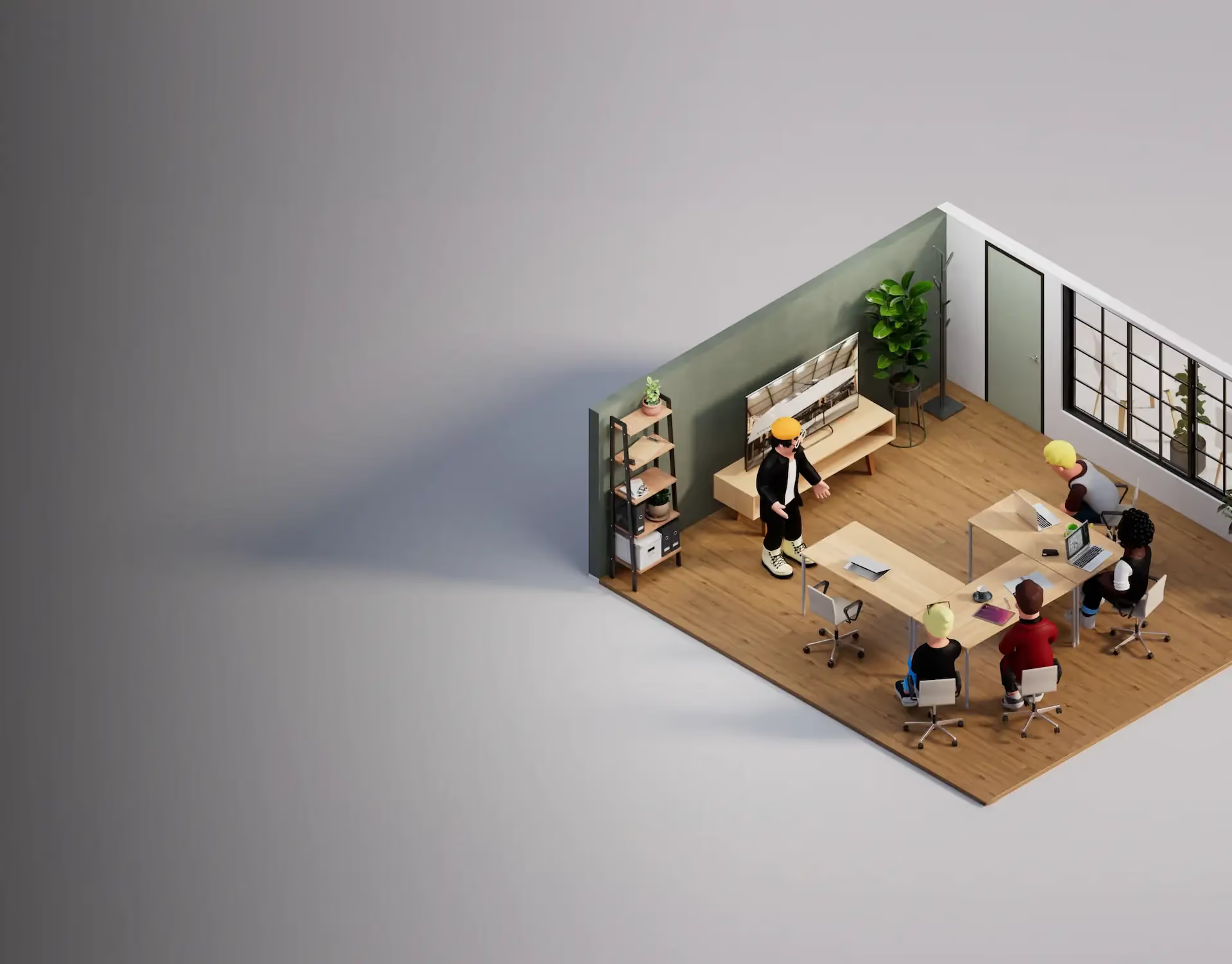
Briefing
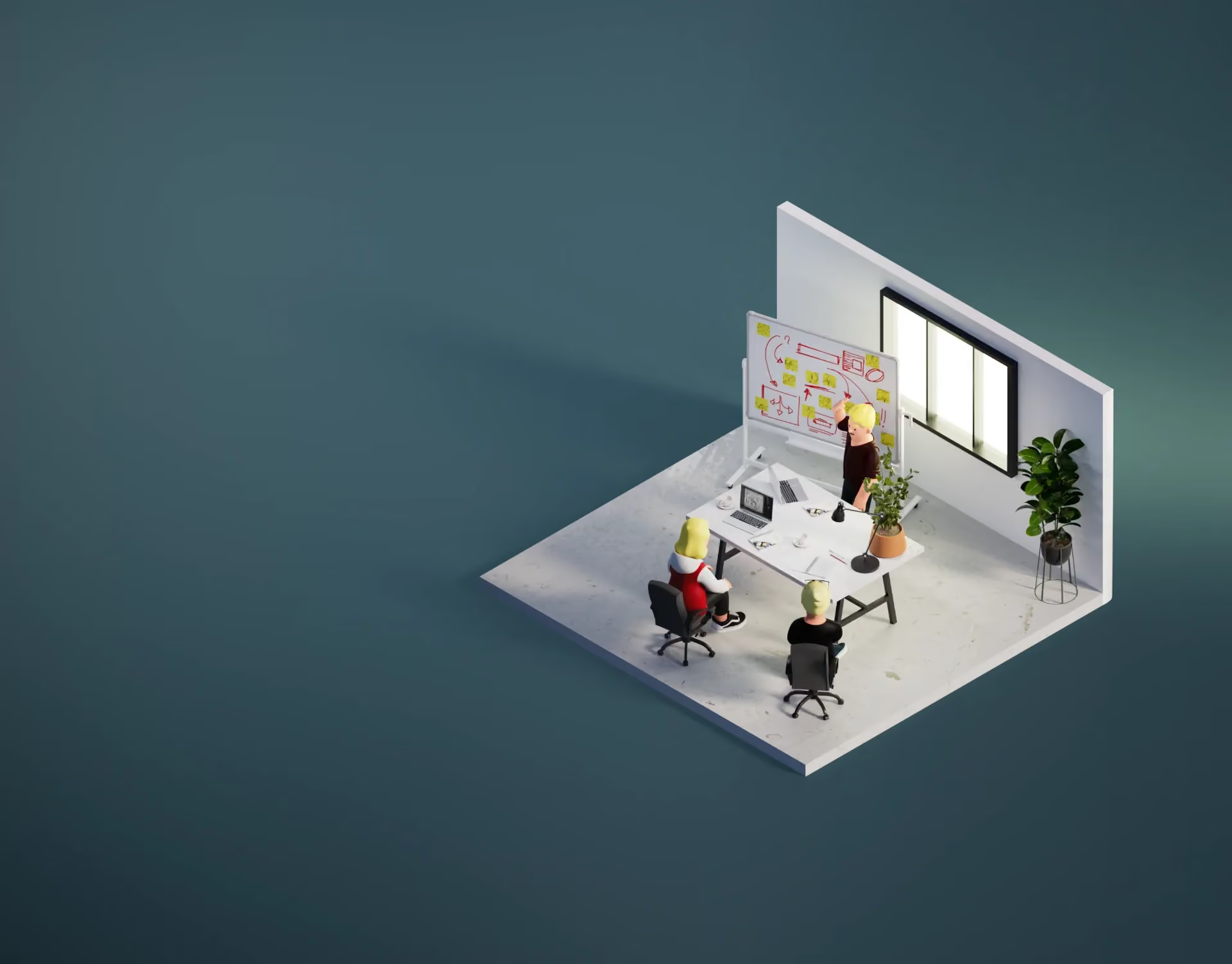
Concept & storytelling
Kick-off
Storyboarding
Concept design
Production
Sound
Release
Frequently asked questions about technical animation

What does a technical animation cost?
How long does it take?
Can you work with our CAD files?
Our model is confidential. How do you handle that?
How do you make sure the technology is correct?
How long should a technical animation be?
Can we update the animation later if the product changes?
Do we also get stills and separate clips?


